

Most american homes rely on HVAC systems to maintain comfort through every season, yet many people overlook just how complex these networks have become. Over 90 percent of homes across the country use some form of HVAC technology, reflecting the system’s critical role in daily life. With so many options and evolving misconceptions, understanding how modern heating, ventilation, and air conditioning actually work will help you avoid common pitfalls and make better choices for your household.
Table of Contents
- Defining HVAC Systems and Common Misconceptions
- Types of HVAC Systems for Homes
- How Heating, Cooling, and Ventilation Work
- Essential HVAC Maintenance and Efficiency Tips
- Costs, Longevity, and Common Pitfalls
Key Takeaways
| Point | Details |
|---|---|
| Understanding HVAC Systems | HVAC systems involve heating, ventilation, and air conditioning, crucial for maintaining indoor comfort and air quality. They are customized based on factors like home size and climate. |
| Types of HVAC Systems | Common residential HVAC options include central air conditioning, heat pumps, ductless mini-splits, geothermal systems, and VRF systems to meet varied comfort needs. |
| Maintenance Importance | Regular HVAC maintenance is essential for longevity and efficiency; tasks such as changing filters and scheduling inspections can prevent costly repairs. |
| Common Pitfalls | Homeowners should avoid common HVAC mistakes, including neglecting maintenance, incorrect installations, and ignoring filter replacements to ensure optimal system performance. |
Defining HVAC Systems and Common Misconceptions
Heating, ventilation, and air conditioning (HVAC) systems represent much more than just temperature control for your home. HVAC technology is a sophisticated network of equipment designed to create comfortable, healthy indoor environments by regulating temperature, humidity, and air quality. According to Wikipedia, these systems aim to provide thermal comfort while simultaneously improving indoor air quality.
Contrary to popular belief, HVAC is not a one-size-fits-all solution. Different systems serve varying needs based on home size, local climate, and specific comfort requirements. Many homeowners mistakenly assume that HVAC only involves heating and cooling, but the reality is far more nuanced. As ASHRAE highlights, HVAC standards are complex and often adapted to regional specifications, demonstrating the intricate nature of these systems.
Key aspects of modern HVAC systems include:
- Temperature regulation
- Humidity control
- Air filtration
- Ventilation management
- Energy efficiency optimization
Understanding these components helps homeowners make informed decisions about their indoor comfort systems.
Professional assessment remains crucial in selecting the right HVAC solution that balances performance, efficiency, and personal comfort needs.
Types of HVAC Systems for Homes
HVAC systems for residential properties come in several distinct configurations, each designed to meet different home comfort and efficiency needs. The most common types include central air conditioning systems, heat pumps, ductless mini-split systems, and geothermal heating and cooling solutions. Understanding these variations helps homeowners select the most appropriate system for their specific living space and climate requirements.
One innovative technology gaining popularity is variable refrigerant flow (VRF) systems. According to Wikipedia, these advanced systems allow for individual space control, providing exceptional energy efficiency and remarkable flexibility in residential applications. VRF systems enable precise temperature management across different rooms, making them an excellent choice for homes with varying comfort needs in different areas.
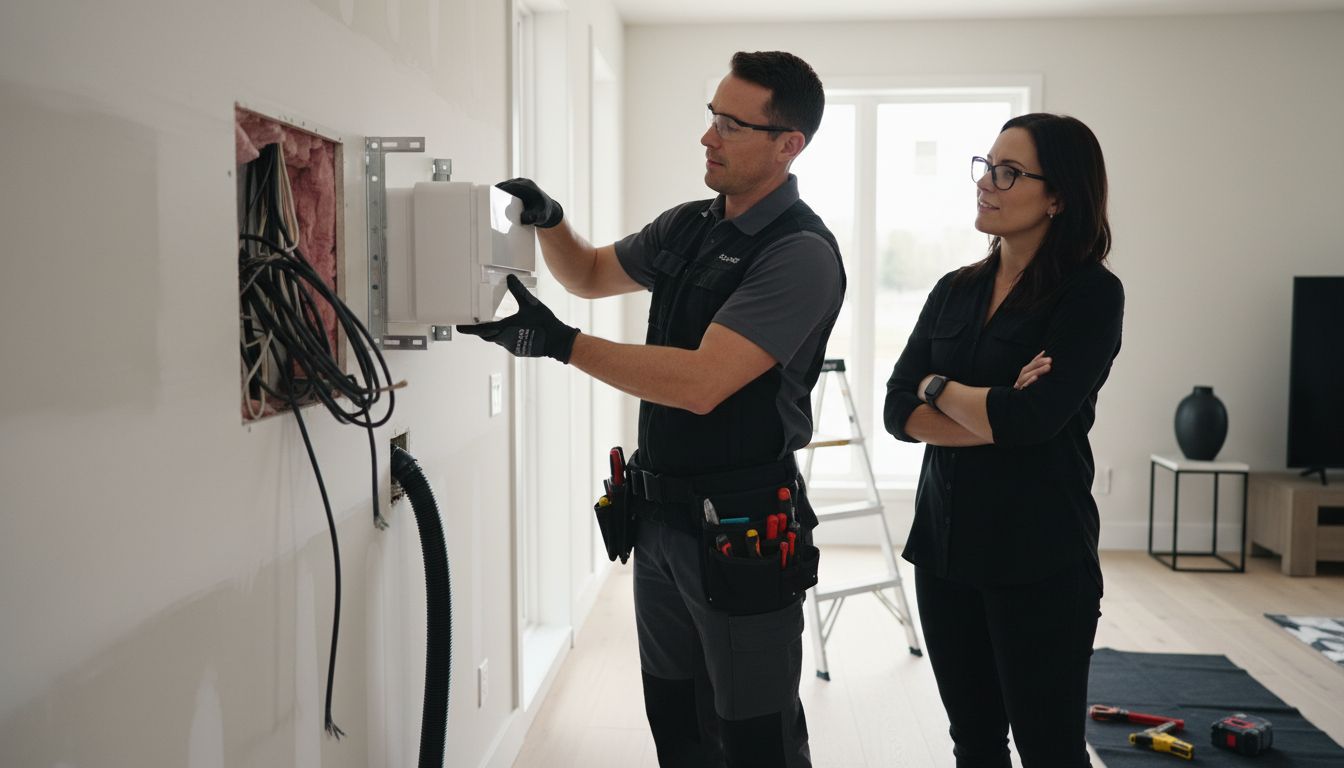
Key residential HVAC system types include:
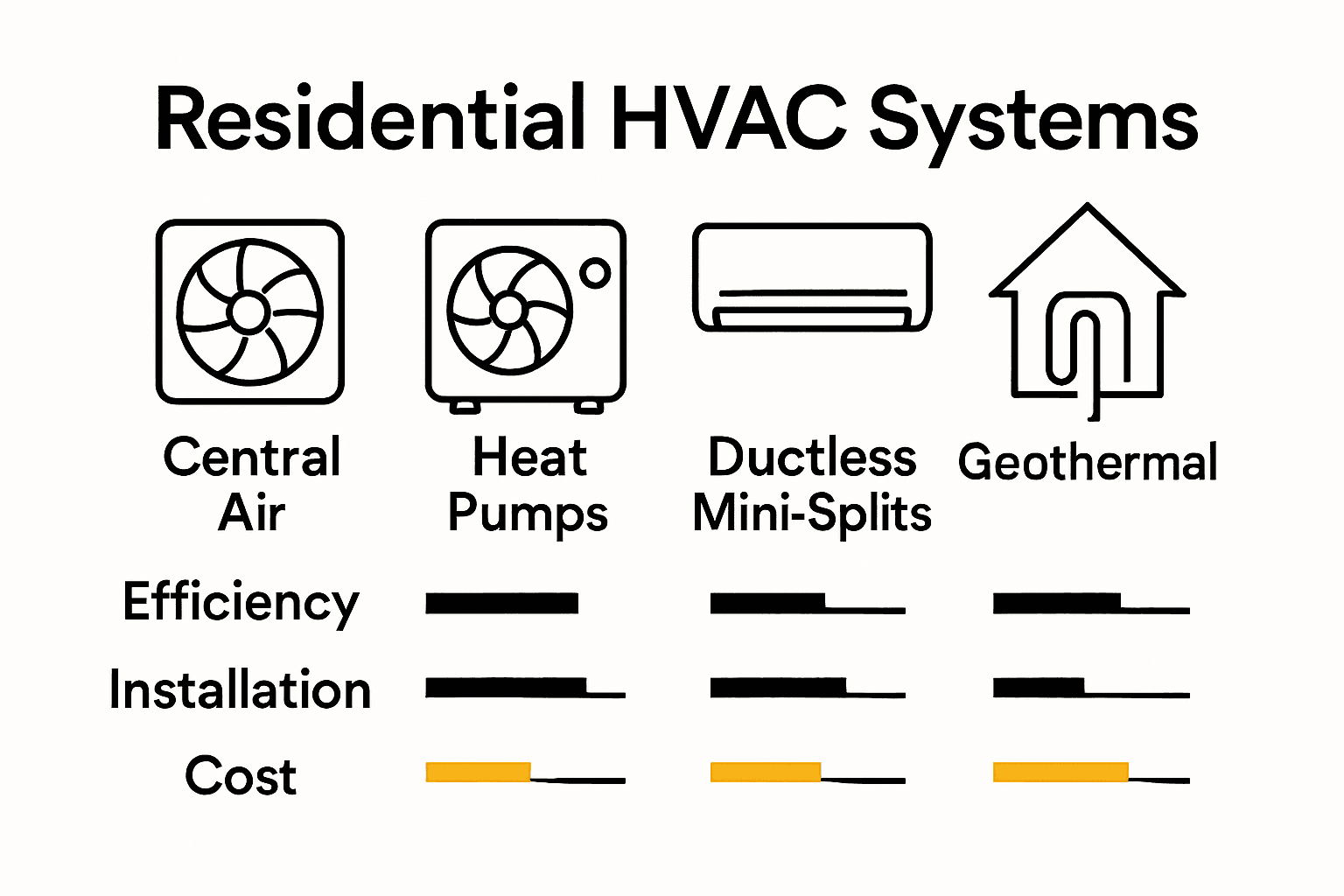
- Central Air Conditioning Systems
- Heat Pump Systems
- Ductless Mini-Split Systems
- Geothermal Systems
- Variable Refrigerant Flow (VRF) Systems
Proper installation and maintenance are critical for HVAC performance. Uniform Mechanical Code guidelines ensure safety and efficiency standards are met during system setup. Homeowners should work with professional technicians who understand local building codes and can recommend the most suitable system based on home size, local climate, and energy efficiency goals.
How Heating, Cooling, and Ventilation Work
HVAC systems are complex networks of equipment designed to create and maintain comfortable indoor environments. According to Wikipedia, these systems function by heating or cooling air and strategically distributing it throughout a building to maintain precise indoor conditions. The process involves three primary components: heating, cooling, and ventilation, each playing a critical role in creating a comfortable and healthy living space.
Heating mechanisms typically involve furnaces or heat pumps that generate warmth by burning fuel or transferring heat energy. Cooling systems, like air conditioners, remove heat from indoor air using refrigerant cycles, effectively lowering ambient temperatures. Ventilation is equally crucial, as it involves continuously exchanging indoor air with outdoor air to remove contaminants, control humidity, and ensure consistent air quality. As detailed in the ASHRAE Handbook, these components work together in a synchronized process to achieve optimal indoor environmental control.
Key operational components of HVAC systems include:
- Thermostat (temperature control)
- Air handlers
- Compressors
- Heat exchangers
- Ductwork
- Air filters
Understanding how these elements interact helps homeowners appreciate the intricate engineering behind maintaining comfortable indoor environments. By recognizing the interconnected nature of heating, cooling, and ventilation, you can better maintain your system and make informed decisions about upgrades or repairs.
Essential HVAC Maintenance and Efficiency Tips
HVAC maintenance is crucial for ensuring optimal system performance, energy efficiency, and indoor comfort. According to the EPA, regular maintenance such as changing filters and ensuring proper ventilation standards is essential for maintaining both indoor air quality and system efficiency. Homeowners who invest time in routine care can significantly extend their system’s lifespan and prevent costly unexpected repairs.
Energy management plays a critical role in HVAC performance. Department of Energy and Environment research suggests that implementing systematic maintenance can dramatically improve system efficiency and lead to substantial energy savings. Proactive maintenance involves several key strategies that homeowners can adopt to maximize their HVAC system’s performance and reduce long-term operational costs.
Essential HVAC maintenance tips include:
- Replace air filters every 90 days
- Schedule professional annual system inspections
- Clean air vents and ductwork regularly
- Check thermostat settings and calibration
- Maintain clear space around outdoor units
- Monitor system performance and unusual noises
By following these maintenance guidelines, homeowners can optimize their HVAC system’s efficiency, reduce energy consumption, and prevent potential breakdowns. Furnace maintenance tips for local homeowners can provide additional insights into keeping your heating system in top condition throughout the year.
Costs, Longevity, and Common Pitfalls
HVAC system investment represents a significant expense for homeowners, with total costs ranging from $5,000 to $12,000 for installation and potential long-term maintenance requirements. Research from arXiv highlights that predictive maintenance strategies can dramatically enhance system longevity by forecasting potential faults, thereby reducing unexpected costs and minimizing system downtime. Understanding these financial implications helps homeowners make more informed decisions about their heating and cooling infrastructure.
The economics of HVAC systems extend beyond initial purchase and installation. arXiv research suggests that strategic incentive schemes can lead to significant cost savings, though challenges such as potential moral hazard must be carefully navigated. Homeowners should consider factors like energy efficiency ratings, maintenance contracts, and potential utility rebates when evaluating the total cost of ownership for their HVAC system.
Common HVAC system pitfalls include:
- Neglecting regular maintenance
- Improper installation
- Using incorrectly sized equipment
- Ignoring air filter replacements
- Failing to address minor repair needs
- Inefficient thermostat programming
To maximize your HVAC system’s performance and minimize unexpected expenses, work with professional technicians who can provide comprehensive maintenance and expert guidance. The Essential Guide to Servicing Your Furnace offers additional insights into maintaining your heating system’s efficiency and reliability.
Ensure Lasting Comfort with Expert HVAC Care from North End Plumbing, Heating & Air
Understanding the complexities of HVAC systems can feel overwhelming. From choosing the right system type to maintaining proper ventilation and ensuring energy efficiency every day, your home’s comfort depends on expert support you can trust. If you are facing challenges like frequent repairs, unclear maintenance routines, or uncertainty about upgrading your heating and cooling system, know that you are not alone.
At North End Plumbing, Heating & Air, we specialize in providing reliable, high-quality HVAC solutions tailored to your needs in Sonoma, Marin, and Napa Counties. Whether you need professional installation of energy-efficient units like heat pumps or ductless mini-splits, or you want peace of mind with comprehensive maintenance that keeps your system running smoothly, our licensed technicians deliver honest service built on local values. Turn to us for help making informed decisions so you can avoid costly pitfalls and enjoy consistent indoor comfort all year long.

Ready to experience the difference expert HVAC care makes for your home? Visit North End Plumbing, Heating & Air to schedule your service or request a free consultation today. Discover how proper maintenance, thorough inspections, and timely repairs can extend your system’s lifespan and improve energy efficiency. Take control of your home comfort now by partnering with a team dedicated to your safety, efficiency, and satisfaction. Learn more about our heating and air conditioning solutions and let us help you achieve lasting comfort.
Frequently Asked Questions
What is HVAC and how does it work?
HVAC stands for Heating, Ventilation, and Air Conditioning. These systems work by regulating indoor temperature, humidity, and air quality using a combination of heating equipment, cooling units, and ventilation systems.
What are the different types of HVAC systems available for homes?
Common types of HVAC systems for residential properties include central air conditioning systems, heat pumps, ductless mini-split systems, geothermal systems, and variable refrigerant flow (VRF) systems.
How can I improve the efficiency of my HVAC system?
To improve HVAC efficiency, regularly replace air filters, schedule professional annual inspections, clean vents and ductwork, check thermostat settings, and maintain clear space around outdoor units.
What are the common pitfalls to avoid with HVAC systems?
Common pitfalls include neglecting regular maintenance, improper installation, using incorrectly sized equipment, ignoring air filter replacements, and failing to address minor repair needs.
Recommended
- 7 Essential Furnace Maintenance Tips for Local Homeowners – North End Plumbing, Heating and Air
- The Essential Guide to Servicing Your Furnace – North End Plumbing, Heating and Air
- Heating & Air Services – North End Plumbing, Heating and Air
- Why Upgrade Water Heater: Complete Guide for Homeowners – North End Plumbing, Heating and Air
- What Is HVAC Commissioning? Complete Breakdown – Home Therapist Cooling, Heating, and Plumbing